You are here: »
Home » Posts filed under Disease and Condition
What is Diplovia? Diplopia is a vision disorder that causes the sufferer experiencing double vision. Generally, patients with diplopia lose focus when viewing an object. Health experts classify diplopia into two types, including:
Monocular Diplopia
Monocular diplopia is a vision disorder that occurs only in one eye. Patients will experience double vision when he closed one eye and use only one eye to see something. Usually, patients with monocular diplopia suffered other health disorders, such as eye lens dislocation, corneal curvature disturbances, impaired tear production, astigmatism, pterygium, cataracts and some retinal disorders.
Binoculars Diplopia
Binoculars diplopia is a vision disorder that occurs in both eyes. Patients will experience double vision when seeing an object with both eyes and will disappear if he sees using only one eye. Usually, patients with binocular diplopia is a sufferer of other diseases or other health disorders, such as Graves' disease, myasthenia gravis, diabetes, damage to the bones that supports the eyeball and eye muscle disorders.
The method of treatment can be done to treat diplopia is with treat the trigger (some diseases and health disorders that have been mentioned above).
Continue Reading ----->>
What is anorexia nervosa? Anorexia nervosa is an eating disorder that usually occurs in teenage girls, models, artists, dancers or others who are required to have an ideal body to support their careers. Although more common in women, anorexia nervosa can also be suffered by men. Patients with anorexia nervosa always feel that they're fat even though they have a thin body. They deliberately starve themselves in order to lose weight, even though they've lost a lot of weight. This is of course very dangerous if not stopped immediately because it can cause death.
Causes of anorexia nervosa
Actually, the exact cause of anorexia and other eating disorders is unknown. However, there are several factors that are believed to cause anorexia nervosa, some of these factors include:
- Psychological and environmental factors
Typically, patients with anorexia nervosa had a bad experience in the past because they have a fat body. They always feel embarrassed and inferior because their friends or people around them have an ideal body (slim).
- Biological factors
Anorexia nervosa can also be caused by biological factors. Changes in hormones in the body that control mood, appetite, thoughts and memories a person could be expected to cause a person affected by anorexia nervosa.
- Genetic factors
Anorexia nervosa can be caused by genetic factors. The risk of anorexia nervosa increases if a person has a family who suffered from anorexia nervosa.
Symptoms of anorexia nervosa
Here are some symptoms of anorexia nervosa that you should know:
- Lose weight drastically.
- Continuously on a diet even have a thin body.
- Have an unusual attraction to food and nutrient content in it, such as the number of calories, fat, etc..
- Very frightened when the weight increases.
- Have strange eating habits and even tend confidential.
- A person with anorexia nervosa always felt fat even though she has a thin body.
- Have the wrong perception about weight.
- Always be a perfectionist (especially about body shape) and likes to criticize himself.
- Confidence is strongly influenced by body weight and body shape.
- Depression, anxiety and irritability.
- Always easy to feel useless and hopeless.
- Irregular menstrual cycles or even not having periods.
- Always use diuresis drugs, laxatives and diet pills.
- Physical disorders, such as susceptibility to diseases, sensitivity to weather, etc..
- Exercise excessively.
Effects of anorexia nervosa
If not treated immediately, anorexia nervosa can give bad effect for the sufferer. Some effects of anorexia nervosa include:
- Damage to organs, especially the heart, brain and kidneys.
- An irregular heartbeat.
- Decrease in blood pressure, pulse and breathing frequency.
- Osteoporosis.
- Impaired fluid and electrolyte balance of the body.
- Hair loss.
- Deaths from starvation or suicide.
Treatment of anorexia nervosa
Just as another eating disorders, anorexia nervosa requires a comprehensive treatment. If people with anorexia nervosa lose weight drastically (about 15% below normal weight), it is very important to return the weight to a normal state. Another thing that needs to be done is to conduct long-term therapy to improve psychological conditions, such as emotional problems and fix mindset. Usually, this treatment is often done with a combination of psychotherapy and medication.
Continue Reading ----->>
What is colon cancer? Colon cancer (colorectal cancer) is a type of cancer that attacks the colon and rektrum. The cause of this cancer is the abnormal growth of cancer cells in the colon.
Causes and risk factors of colon cancer
Here are some causes and risk factors of colon cancer:
- Age, generally, colon cancer strike a person above the age of 50 years. This is caused by colorectal polyps (tumors that grow on the inner wall of the colon and rectum). However, these cancers can also attack a person under the age of 50 years. This means that the the risk of colon cancer increases with age.
- Alcohol, consuming alcohol can decrease the immune system and the risk of developing cancer will increase.
- Hereditary factors, the risk of colon cancer increases if having a family who suffered this cancer. However, the risk can be prevented by applying a healthy lifestyle.
- Genetic factors, some research shows that about 30% of cancer cases are caused by genetic abnormalities.
- Obesity, obesity can decrease the immune system and increases the risk of colon cancer.
- Ever had colon cancer, a person who had suffered from colon cancer have a bigger risk of developing colon cancer for the second time.
- Smoking, besides being a cause of lung cancer, smoking can also cause other types of cancer, one of them is colon cancer. When inhaling cigarette smoke, more than 4000 kinds of toxins will enter the body and can damage the health.
- Colitis, a person who suffering from colitis in a long term will have a risk of colon cancer.
Symptoms of colon cancer
Colon cancer has some symptoms are not specific, here are some of them:
- Nausea and vomiting, usually, people with colon cancer will often feel nauseated and vomiting. This is due to a disturbance in the digestive system.
- Stomach ache.
- Bloating.
- Lose weight.
- Easily tired.
- Digestive disorders such as constipation and diarrhea.
- Blood on feses.
Treatment of colon cancer
Here are some methods that can be used to treat colon cancer:
- Surgery, just like other types of cancer, colon cancer will be more easily treated if cancer is still in the early stages. The most common way to treat this cancer is by surgical removal of polyps in the colon.
- Radiotherapy, radiotherapy is a method of treating cancer by using x-rays or ionizing radiation in a high intensity. Radiotherapy is intended to kill cancer cells in the body.
- Chemotherapy, chemotherapy is a method of treating cancer by giving anti-cancer drugs to the patients. Some effects of chemotherapy include: nausea, vomiting, hair loss and diarrhea.
- Adjuvant therapy, adjuvant therapy is a chemotherapy that cancer patients do after surgery to kill cancer cells remaining in the body. This therapy is usually performed on patients with advanced cancer (stage III or higher). Adjuvant therapy is carried out using capacitabine and without injection.
Continue Reading ----->>
Skin cancer is one type of cancer that suffered by many people. Skin cancer is caused by skin cells that grow abnormally and uncontrollably that can spread to other parts of the body and can damage surrounding tissue. There are 3 types of skin cancer:
1. Basal Cell Carcinoma
Basal cell carcinoma is one of the most common skin cancer and suffered by many people. This type of skin cancer is not spread to other parts of the body, but cancer cells can multiply and cause damage to surrounding skin tissue. Some factors that can cause this type of skin cancer are:
- Bright skin
- Frequent exposure to sunlight
- a weakened immune system
- Burns
- X-Ray
Signs and Symptoms
Normally, the body part that is often attacked by this type of skin cancer (Basal Cell Carcinoma) is the face, neck and scalp. Signs and symptoms that can be recognized is a lump on the skin that has a bright color. These bumps have a reddish color and has a rising edge and slightly blackish color. Other sign and symptoms is abnormalities in the scar tissue and wounds that do not heal.
Diagnosis
The method that can be used to diagnose this type of skin cancer is by clinical examination and histopathology. This method is done by taking samples of the skin which is considered as the cancerous tissue (biopsy).
Treatment
Treatment of this type of skin cancer is by surgical removal of skin tissue that was attacked by cancer. Another treatment method that can be done is by radiation, cryosurgery, Electrosurgery, Photodinamic Therapy, Laser beams and chemotherapy.
2. Squamous Cell Carcinoma
Another type of skin cancer is Squamous Cell Carcinoma. Usually, this type of skin cancers suffered by men, especially the elderly. Causes of Squamous Cell Carcinoma is epidermal keratinocyte cell malignancy. This type of skin cancer can spread to other parts of the body and usually suffered by people who live in the tropics.
Just as with Basal Cell Carcinoma, squamous cell carcinoma is caused by several factors, such as the frequency of excessive sun exposure, the virus, the body's immune system is weak, chemicals and abnormalities in scar tissue. Signs and symptoms of this type of skin cancer is a lump and wounds that do not heal. Diagnosis and treatment of patients with this type of skin cancer are not much different with basal cell carcinoma.
3. Malignant Melanoma
Malignant melanoma is one of the most dangerous skin cancer. This type of skin cancer can develop through a mole that arise in the human body. Cancer cells grow from the melanocytes (skin cells that function to produce melanin pigment).
Signs and Symptoms
Signs and symptoms of this type of skin cancer are:
- Forms, moles have an irregular shape (asymmetric) and uneven edges mole.
- Size, the size of moles continue to grow, even larger than 6 mm.
- Color, the color of moles turn into brownish or reddish.
- Itching, usually, moles will feel itchy or even painful.
Diagnosis
Similar to Basal Cell Carcinoma and Squamous Cell Carcinoma, diagnosis of this type of skin cancer (malignant melanoma) can be done by biopsy.
Treatment
Malignant melanoma is the most dangerous type of skin cancer. This type of skin cancer can spread to other parts of the body, such as the lymph glands. The method of treatment can be performed in patients with this type of skin cancer is by surgical removal of cancerous tissue. If cancer cells have spread to other parts of the body, it must be performed further surgery to remove the cancerous tissue. If the cancer cells spread to the lymph glands, the lymph glands should be removed.
Continue Reading ----->>
One of the most dangerous type of cancer is breast cancer. Breast cancer is a cancer that attacks the breast tissue. Breast cancer is commonly suffered by women, but men can also be affected by this cancer.
Causes of Breast Cancer
The exact cause or causes of breast cancer Remain unknown. But, there are several factors that are believed can cause breast cancer. Some of these factors include:
- Estrogen hormone, estrogen hormone can increase the risk of breast cancer if consumed in a long time.
- Ever had breast cancer, if a woman has already had breast cancer, she has a greater chance of developing a new cancer in the other breast.
- Family history, breast cancer risk will increase if you have a family who had suffered from breast cancer.
- Genetic factors and hormonal.
- menarche (first menstrual period) before 12 years old, menopause after 55 years old and the first pregnancy after 30 years old. This means that the risk of breast cancer increases with age.
- Radiation Exposure.
- Obesity after menopause.
- Taking birth control pills.
- diethylstilbestrol (DES), usually, DES given to pregnant women to reduce the risk of pregnancy complications and miscarriage. According to research, DES can increase the risk of breast cancer.
Symptoms of Breast Cancer
As well as other types of cancer, breast cancer has symptoms that can be recognized. The symptoms of breast cancer are:
- A lump in the breast, the first symptoms of breast cancer is a lump around the breast tissue. Usually, the lump is not accompanied by pain. In early-stage of breast cancer, this lump can be moved easily by a finger. In the next stage of breast cancer, this lump enlarged and attached to the skin around the breast.
- The nipple pushed into the body.
- Changes in color and texture of breast skin, these changes include: the color of nipples become more reddish, areola color changes (an area around the nipple), skin will look like an orange peel (peau d'orange), shrink and will arise ulcers on the breast.
- Nipple discharge, other symptoms of breast cancer are discharge from the nipple in abormal condition (watery fluid which is accompanied by blood and even fester).
Breast Cancer Treatment
Breast cancer treatment can be performed after cancer patients examined thoroughly. Breast cancer treatment can be done in several ways, such as mastectomy (surgical removal of breast), radiation and chemotherapy.
Continue Reading ----->>
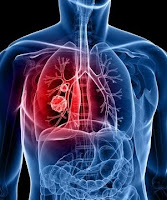
Lung cancer is one of the most dangerous type of cancer in the world. Lung cancer is caused by uncontrolled cell growth in lung tissue. As well as with other types of cancer, lung cancer also have some symptoms that can be detected. The symptoms of lung cancer depends on the size of the cancer and physical condition of the patient. Here are some symptoms of lung cancer that you should know:
1. Without symptoms
The symptoms of lung cancer will only occur when abnormal cell growth is getting worse. As many as 25% of lung cancer patients know that they are affected by lung cancer after they routinely perform X-rays and CT scans.
2. Symptoms according to the size of cancer
Cancer cells that grow abnormally can disrupt the balance of lung tissue. This will cause disruption of the respiratory system. The symptoms include shortness of breath, breath sounds, chest pain and coughing up blood. If the growth of cancer cells damage the nerve cells around the lungs, it will cause pain in the shoulder which spread to the hands and fingers. Cancer cells that spread to the esophagus will cause a swallowing disorder.
3. Symptoms associated with the spread of cancer
Lung cancer cells that spread to the bone will cause pain in the bones. If the cancer cells spread to the brain, it will cause neurologic symptoms such as headaches, blurry eyes, seizures, paralysis of limbs, stroke symptoms and disorders of taste sensation in some parts of the body.
4. Non-specific symptoms
Other symptoms of lung cancer is non-specific symptoms. Symptoms include weight loss, weakness, and fatigue. In addition, there are also psychological symptoms such as mood disorders and depression.
Lung cancer treatment depends on the size and spread of cancer cells in the body. The treatment of lung cancer can be done by several methods, such as removal of cancer cells by surgery, chemotherapy, radiation and combination between the three methods.
Quitting smoking is the main thing in preventing lung cancer. Another thing that you can do to prevent lung cancer is by reducing contact with smokers.
Continue Reading ----->>
As well as other types of cancer, lung cancer is caused by the abnormal growth of body cells. In this case, lung cancer caused by the growth of cancer cells that are not controlled in the lung tissue in the body. Just like other organs, the lungs can receive the spread of cancer cells from other organs. This means that lung cancer is not just caused by the abnormal growth of cells in the lungs, but can also be caused by cancer cells originating from other organs that spread to the lungs.
What causes lung cancer? Here are some of them:
1. Smoke
The main cause of lung cancer is smoking. The risk of lung cancer will increase if smokers consume cigarettes in large numbers. Cigarettes contain more than 4 thousand chemicals and most of these chemicals are carcinogenic (polycyclic aromatic hydrocarbons and nitrosamines) that can cause cancer.
2. Passive Smokers
If the passive smokers inhaling cigarette smoke come from smokers in a long time, then the passive smoker is likely to be stricken with lung cancer.
3. Asbestos Fiber
Asbestos fibers are silicate fibers that can settle in the lung tissue. If humans inhale asbestos fibers in the long term, these fibers will settle in the lungs and increases the risk of lung cancer.
4. Offspring
Although smoking is a major cause of lung cancer, but not all smokers develop this cancer. This is because there is a genetic barrier. The risk of lung cancer will increase in those who have families who suffer from lung cancer.
5. Lung Disease
Lung diseases like chronic obstructive pulmonary disease (COPD) has a close relationship with lung cancer. This risk is increased if the patient is a smoker.
6. Medical History
People who have suffered and been cured of lung cancer have a bigger risk of being attacked by lung cancer .
7. Air Pollution
Air pollution from vehicles, industrial plants and fossil power plants can increase the risk of lung cancer.
Continue Reading ----->>
What is HIV (Human Immunodeficiency Virus)? - HIV (Human Immunodeficiency Virus) is one type of virus that is very dangerous for humans. This virus attacks and destroys white blood cells in the human body. If the white blood cells in the human body is damaged, the immune system would be disrupted. This can cause the human body is very fragile and can not survive the attack of disease.
HIV virus is the source of AIDS (Acquired Immune Deficiency Syndrome). HIV virus takes a long time to take over and destroy white blood cells in the human body. After doing research, experts proposed that the HIV virus will get AIDS within 10 years. Other research results is 3 of 4 people (75%) of the HIV virus will get AIDS within 15 years.
There is no medical techniques can actually cure people who have a virus. Therefore, keep your health. Apply a healthy lifestyle so that the risk of disease will be smaller. What Is HIV (Human Immunodeficiency Virus)?
Continue Reading ----->>








 Get our latest articles via email!!


